PF Registration in India: A Comprehensive Guide to Provident Fund Registration and Certification
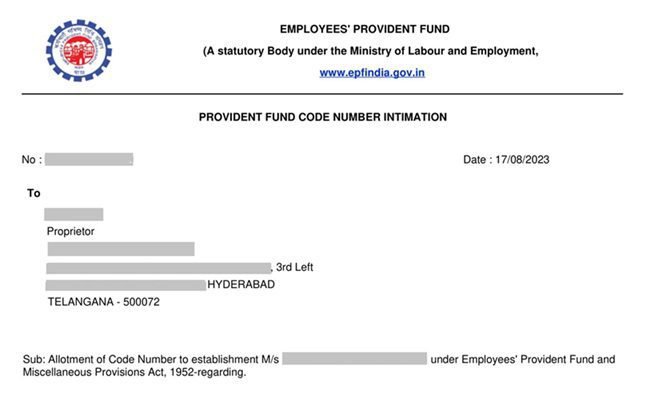
In today’s structured employment environment, maintaining employee welfare and statutory compliance is an essential responsibility for every organisation. One of the most important components of labour law compliance is pf registration in india, which provides financial security to employees through long-term savings. The Employees’ Provident Fund (EPF) scheme is designed to support employees after retirement while also offering benefits during their working years. For employers, obtaining a pf certificate registration in india is not just a legal requirement but also a step towards building a trustworthy and compliant workplace.
Understanding PF Registration in India
The process of provident fund registration is overseen by the Employees’ Provident Fund Organisation (EPFO), which administers retirement savings for employees in India. Under this scheme, both the employer and employee contribute a fixed percentage of the employee’s salary to a provident fund account. Over time, this fund accumulates and earns interest, providing financial stability in the future.
The process of pf registration in india is mandatory for establishments employing a specified number of employees, typically 20 or more. Upon successful registration, a unique PF code is allotted to the organisation, and employees are given individual accounts to track their contributions and entitlements.
Importance of PF Certificate Registration in India
Securing a pf certificate registration in india guarantees that a business adheres to statutory labour regulations. This certificate serves as proof that the organisation is enrolled under the EPF scheme and is fulfilling its obligations towards employee welfare.
Apart from legal compliance, PF registration significantly improves business credibility. Workforces are more inclined to stay loyal to organisations that provide structured financial benefits such as PF contributions. It also plays a vital role in attracting skilled professionals who value financial security and long-term benefits.
Eligibility Criteria for PF Registration
Businesses must evaluate their eligibility before applying for pf registration in india. The primary criteria include the number of employees and the nature of the organisation. Organisations employing 20 or more individuals are usually mandated to enrol under the EPF system.
Nevertheless, businesses with fewer employees may choose voluntary registration. This can be beneficial for startups and growing businesses that wish to offer structured employee benefits early in their operations. Once enrolled, compliance rules apply regardless of the number of employees.
Documents Required for PF Registration
For completing pf certificate registration in india, businesses must furnish essential documents and information. These usually include company registration documents, identity proofs of directors or partners, address proof, and employee information.
Furthermore, bank account information along with digital signatures of authorised individuals is required for online processing. Ensuring accuracy in documentation is essential to avoid delays or rejection during the application process.
Step-by-Step Process of PF Registration
The process of pf registration in india has been simplified via digital systems, enhancing accessibility and efficiency. Employers must register their organisation by submitting essential details like company information, workforce size, and contact data.
Following submission, the application undergoes verification by relevant authorities. Upon approval, a PF registration number is allotted to the organisation. Employers can then begin enrolling employees, generating Universal Account Numbers (UAN), and managing contributions through the online system.
This digital approach ensures transparency and simplifies ongoing compliance for businesses of all sizes.
Benefits of PF Registration for Employers and Employees
The benefits of pf certificate registration in india are applicable to both employers and employees. For employees, the provident fund acts as a reliable savings mechanism that grows over time with contributions and interest. It also allows partial withdrawals for needs like emergencies, housing, or education.
For organisations, PF registration supports legal compliance and reduces the risk of penalties. It boosts workforce retention and satisfaction by ensuring financial security. Additionally, contributions made by employers can be considered as part of employee compensation, creating a balanced benefits structure.
Compliance and Responsibilities After Registration
Once a business completes pf registration in india, it must adhere to ongoing compliance requirements. Employers are responsible for deducting the employee’s share of contribution and depositing both employer and employee contributions within the prescribed timelines.
Regular filing of returns and maintaining accurate records are also essential. Any inconsistency or delay can attract penalties and legal implications. Hence, businesses adopt structured systems or professional support to manage compliance efficiently.
Common Challenges in PF Registration
While the process of pf certificate registration in india has become more streamlined, businesses may still face certain challenges. Challenges often involve incorrect documentation, slow verification, or confusion around eligibility.
Another common issue is managing ongoing compliance, especially for organisations with a large workforce. Maintaining timely contributions, accurate records, and correct employee data demands constant monitoring and efficient systems.
Recognising these issues early allows businesses to manage registration and compliance more efficiently.
How to Choose the Right Support for PF Registration
Many businesses opt for professional guidance to simplify the process of pf registration in india. Experts can assist with documentation, application pf registration in india submission, and compliance management, reducing the risk of errors and delays.
Choosing the right support involves evaluating experience, knowledge of labour laws, and the ability to provide end-to-end assistance. Professional services can be particularly beneficial for startups and small businesses that may not have dedicated compliance teams.
Conclusion
PF registration in india is an essential obligation for businesses seeking to ensure employee security and legal compliance. Securing a pf certificate registration in india enables organisations to comply with regulations while building a supportive work environment. By ensuring proper knowledge, accurate records, and ongoing compliance, businesses can successfully manage PF obligations and build long-term value for their workforce.